Specimens and Data, Not Evidence Ethical, Legal, and Policy Boundaries on Law Enforcement Access to the Clinical Laboratory
Article Sidebar
Main Article Content
Abstract
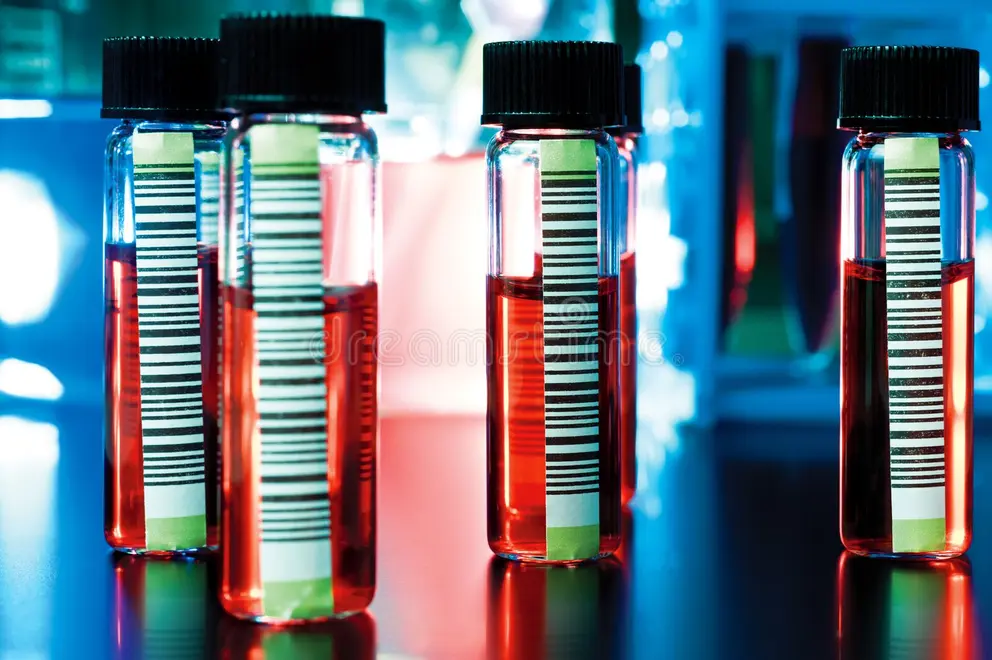
Photo ID 26405281© Anyaivanova | Dreamstime.com
Introduction
Clinical laboratories are built on trust, with patients expecting their specimens and associated data for diagnosis or treatment to remain confined to clinical purposes. However, notable cases demonstrate how easily clinical samples and related medical records can be repurposed for criminal investigations.[1] For instance, police used DNA from a routine pap smear in the Blind Torture Kill (BTK) case; authorities in New Jersey accessed decades-old newborn blood spots in the Brian Avis case; and investigators used relatives’ genetic data from a genealogy database in the Golden State Killer case.[2] These incidents highlight a growing tension between medical care and law enforcement, underscoring critical ethical concerns about patient autonomy, confidentiality, and the limits of clinical sample use.
Law enforcement’s growing interest in clinical laboratory data raises pressing questions about whether patient specimens are being treated as investigatory evidence rather than components of healthcare. While the Health Insurance Portability and Accountability Act (HIPAA) and the Clinical Laboratory Improvement Amendments (CLIA) regulate privacy and laboratory standards, both have broad exceptions for law enforcement and do not address specimen retention or secondary use.[3] Since these laws offer limited protections, constitutional safeguards become central. This paper argues that existing legal and regulatory frameworks inadequately safeguard clinical specimens and medical records from investigatory repurposing. After outlining the ethical principles that protect patients, the analysis turns to constitutional doctrines affecting law enforcement access, variations across states, and real-world examples illustrating the impacts of these gaps. The paper concludes by proposing reforms to enhance transparency, autonomy, and public trust in the clinical laboratory.
Ethical Frameworks: Principles Guiding Patient Protection
Deontological ethics holds that specific actions are impermissible regardless of their outcomes. In the clinical laboratory, deontological ethics includes respecting autonomy, maintaining confidentiality, and honoring fidelity. Using specimens collected for clinical care in criminal investigations without explicit, voluntary consent violates these duties, even when HIPAA permits it under its law-enforcement exceptions.[4]
Utilitarian arguments for using clinical laboratory specimens and related data often emphasize the benefits of solving crimes, but this perspective risks treating patients as means to an end and ignoring broader harms. Evidence shows that concerns about genetic privacy decrease participation in newborn screening, biobanking, and other public health efforts.[5] Therefore, a utilitarian approach must consider long-term effects, such as reduced trust and lower engagement with healthcare systems. Ethical frameworks delineate clear boundaries: clinical specimens are collected for care, not surveillance. Despite these ethical imperatives, the legal system provides uneven protection, particularly where constitutional doctrines intersect with law enforcement interests. This tension becomes most apparent in the Fourth Amendment context.
Constitutional Limitations
Regardless of the regulatory structure governing clinical laboratories, the constitutional landscape ultimately determines the extent to which law enforcement may access patient specimens and data. Because statutory protections are limited, courts have become the primary arbiters of what constitutes a permissible intrusion.[6]
The Special Needs Doctrine: Lessons from Skinner
In Skinner v. Railway Labor Executives’ Association (1989), the Supreme Court upheld warrantless drug and alcohol testing of railway employees. The Court reasoned that the government’s interest in public safety constituted a “special need” beyond ordinary law enforcement. This decision established the modern Special Needs Doctrine, which permits warrantless searches, including the collection of specimens, when the primary purpose is considered administrative. [7] Although Skinner arose in the context of transportation safety, the Court’s reasoning has been extended to other settings, weakening Fourth Amendment protections for clinical specimens.
The Third-Party Doctrine
Under the Third-Party Doctrine, individuals forfeit constitutional privacy protections for information they voluntarily shared with third parties, including hospitals and laboratories. In the clinical laboratory context, this doctrine treats disclosures made for medical care as equivalent to disclosures made for non-medical purposes, a conflation that undermines patient autonomy and confidentiality. [8]
Fourth Amendment Case Law
Courts have long debated the extent of bodily intrusion allowed under the Fourth Amendment when law enforcement seeks biological evidence. In Schmerber v. California, the Court upheld a warrantless blood draw under limited exigent circumstances. [9] However, subsequent rulings have narrowed that reasoning. In Missouri v. McNeely (2013), the Court rejected a categorical rule that the natural dissipation of alcohol in the bloodstream alone creates exigency and instead required a case-by-case evaluation.[10] In Birchfield v. North Dakota (2016), the Court distinguished breath tests, which can be performed without a warrant, from blood tests, which generally require a warrant.[11]
Courts have also condemned more invasive procedures. In Winston v. Lee, the Court ruled that forced surgical removal of a bullet violated the Fourth Amendment, and in United States v. Fowlkes (2015), the Ninth Circuit found forced catheterization to obtain urine to be an unreasonable search.[12] These cases demonstrate that the level of bodily intrusion is a key constitutional issue and that the use of medical procedures for law enforcement raise serious Fourth Amendment concerns.
State-Level Variation
Although the Fourth Amendment sets a federal constitutional baseline, states vary significantly in how they interpret and apply bodily‑intrusion case law. Some states adopt broad implied‑consent statutes that authorize blood or urine testing following arrest, while others limit implied consent to breath tests or require warrants for all invasive procedures. For example, Nevada’s statute permits expansive implied‑consent testing and authorizes chemical testing under a wide range of circumstances.[13] By contrast, California limits implied consent to situations following a lawful arrest and requires warrants for blood draws absent exigency.[14] Utah protects healthcare workers who refuse warrantless blood draws, emphasizing clinician autonomy and liability.[15] Historically, Pennsylvania required healthcare workers to comply with police requests for blood samples, reflecting a more law-enforcement approach.[16] States also differ in their treatment of forced catheterization, the collection and retention of clinical laboratory specimens and data, and other invasive procedures as means of evidence collection, with some courts viewing them as categorically unreasonable and others permitting them under narrow circumstances.[17]
Ultimately, the degree of protection afforded to patients depends heavily on state-level choices regarding consent, clinician authority, the permissibility of invasive procedures, and law enforcement access.
Toward Ethical Integrity: Policy Reform Proposals
The interplay of statutory gaps, including the exception to HIPAA’s privacy rule, constitutional limitations, and divergent state practices demonstrates that current frameworks inadequately protect clinical specimens from investigatory use. This landscape highlights the need for reforms that reinforce ethical and legal safeguards.
Reform 1: Require Voluntary, Explicit Consent
Law enforcement access to specimens or metadata should require explicit, voluntary consent. In the clinical laboratory, presumed consent — where agreement is inferred from silence, unconsciousness, or routine clinical encounters — is ethically indefensible. It treats patients as passive subjects of investigation rather than autonomous individuals. Although some contend that explicit consent may delay investigations, deontological ethics holds that convenience cannot override autonomy. Utilitarian reasoning likewise supports explicit consent, considering the long-term harms of eroding trust.[18]
Reform 2: Prohibit Conditioned Consent
Healthcare access must never depend on investigatory cooperation. Conditioning medical care on a patient’s willingness to provide specimens or information for law enforcement purposes undermines autonomy and erodes trust in the clinical relationship. Evidence shows that coercive consent reduces willingness to share sensitive information and discourages engagement with healthcare systems, ultimately harming individual care and public health.[19]
Reform 3: Protect Specimens and Metadata Equally
Metadata can be reidentified through linkage with other datasets.[20] Treating metadata as less sensitive creates exploitable loopholes. Policies must extend protection to both specimens and associated data.
Reform 4: Mandate Independent Oversight and Transparency
Oversight bodies should evaluate investigatory requests and issue transparency reports. Rather than adding bureaucratic burden, oversight enhances accountability and clarifies the separation between clinical care and criminal investigations. However, most jurisdictions lack an independent entity to monitor how often patient records are accessed for law enforcement or how metadata is queried, linked, or reused.[21] Without such oversight, patients and clinicians lack visibility into the frequency and scope of investigative access, and policymakers lack the data needed to evaluate whether current practices align with ethical and constitutional norms.
Reform 5: Update Newborn Screening Policies
Newborn screening programs should adopt opt-in consent for secondary uses and establish clear limits on the retention of residual blood spots. Research consistently shows parental opposition to non-consensual secondary use and highlights trust as essential to program participation.[22]
Conclusion
Unrestricted law enforcement access to clinical specimens risks transforming clinical encounters into a surveillance pathway. Deontological ethics demands the protection of patient rights regardless of investigatory outcomes, while utilitarian analysis warns against systemic harms caused by privacy erosion. Legally, HIPAA and CLIA offer insufficient safeguards, particularly regarding specimen retention and metadata use. Reform must begin with explicit, revocable consent, independent oversight, and a clear separation between clinical care and criminal investigation.
The clinical laboratory is not a forensic repository. It is a space of healing, trust, and ethical responsibility. Policymakers, administrators, and clinicians must act now to establish statutory reforms that prevent investigatory misuse, mandate transparency, and restore public trust.
-
[1] Ram, N., Guerrini, C. J., & McGuire, A. L., “Genealogy Databases and the Future of Criminal Investigation,” Annual Review of Genomics and Human Genetics 22 (2021): 467–489; Hazel, J. W., & Clayton, E. W., “The Law and Ethics of Using DNA from Clinical Samples for Criminal Investigations,” Journal of Law, Medicine & Ethics 49, no. 2 (2021): 235–244: Ram, Guerrini, & McGuire AL, “Genealogy Databases,” 467–489.
[2] State of Kansas v. Radar, No. 05 CR 2101(2005). The criminal case is for murder, but the ethically relevant detail is how investigators used clinical samples from a relative to identify and apprehend Rader; State of New Jersey v. Brian Lee Avis (2021) (case number unavailable). In this case, the formal criminal charges were for sexual assault. This case is ethically significant because law enforcement allegedly obtained DNA from a child’s Guthrie card to implicate Avis.
[3] Abraha, H., “HIPAA and CLIA: Gaps in Regulating Specimen Retention and Metadata Use,” Journal of Health Law & Policy 14, no. 2 (2021): 201–220.
[4] Beauchamp, T. L. and Childress, J.F., Principles of Biomedical Ethics, 5th ed. (Oxford: Oxford University Press, 2003); Mandal, J., Ponnambath, D. K., and Parija, S. C., “Utilitarian and Deontological Ethics in Medicine,” Tropical Parasitology 6, no. 1 (2016): 5–7.
[5] Mandal, Ponnambath, and Parija; Tuazon, J., Smith, A., and Patel, R., “Utilitarian Perspectives on Forensic Use of Clinical Specimens,” Journal of Forensic Ethics 12, no. 2 (2024): 101–118; Ruhl, D. S., et al., “Public Attitudes Toward Genetic Privacy and Law Enforcement Access,” Genetics in Medicine 22, no. 1 (2020): 145–152; Tuazon, J., A. Smith, and R. Patel, “Utilitarian Perspectives on Forensic Use of Clinical Specimens,” Journal of Forensic Ethics 12, no. 2 (2024): 101–118.
[6] Abraha, “HIPAA and CLIA,” 201–220.
[7] Skinner v. Railway Labor Executives’ Association, 489 U.S. 602 (1989). In Skinner, the Supreme Court upheld federal regulations authorizing warrantless drug and alcohol testing of railway employees following accidents or safety violations. The Court reasoned that the government’s interest in preventing catastrophic harm in the transportation sector constituted a “special need” beyond ordinary law enforcement, allowing searches without individualized suspicion or a warrant.
[8] Kerr, O. S., “The Case for the Third‑Party Doctrine,” Michigan Law Review 107, no. 4 (2009): 561–601; Slobogin, C., Privacy at Risk (Chicago: University of Chicago Press, 2018).
[9] Schmerber v. California, 384 U.S. 757 (1966).
[10] Missouri v. McNeely, 569 U.S. 141 (2013).
[11] Birchfield v. North Dakota, 579 U.S. 438 (2016).
[12] Winston v. Lee, 470 U.S. 753 (1985). In this case, the Court ruled that extreme bodily intrusion violated the Fourth Amendment and the individual’s right to bodily integrity; United States v. Fowlkes, 804 F.3d 954 (9th Cir. 2015). The Ninth Circuit held that forced catheterization to obtain urine was an unreasonable search, noting the significant physical intrusion and the availability of less invasive alternatives.
[13] Nevada Legislature, NRS 484C.160–484C.180 (2024). Nevada’s implied‑consent framework authorizes chemical testing of blood, breath, or urine following arrest for driving‑related offenses and permits testing under certain circumstances even without express consent. https://www.leg.state.nv.us/NRS/NRS-484C.html.
[14] California Vehicle Code § 23612 (2024). California’s statute limits implied consent to breath tests following lawful arrest and requires warrants for blood draws unless exigent circumstances exist. https://leginfo.legislature.ca.gov/faces/codes_displaySection.xhtml?sectionNum=23612&lawCode=VEH
[15] Utah Code Ann. § 26‑1‑30 (2024). Utah law protects clinicians who refuse warrantless blood draws and require warrants or patient consent except in narrow circumstances. https://le.utah.gov/xcode/historical.html?date=1/16/2024&oc=/xcode/Title58/Chapter67/C58-67-S305_2022050420220504.html
[16] Commonwealth v. Shaw, 770 A.2d 295 (Pa. 2001); 75 Pa. Cons. Stat. § 1547 (2024). Pennsylvania courts historically interpreted implied‑consent statutes to require compliance with police requests for blood samples.
[17] State v. Thompson, 886 N.W.2d 224 (Iowa 2016) (holding forced catheterization unconstitutional); contrast with State v. Trahan, 886 N.W.2d 216 (Minn. 2016) (evaluating catheterization under a totality‑of‑the‑circumstances analysis). These cases illustrate divergent state approaches to invasive evidence‑collection procedures.
[18] Beauchamp, Principles of Biomedical Ethics; Grady, C., “Enduring and Emerging Challenges of Informed Consent,” New England Journal of Medicine 372, no. 9 (2015): 855–862. DOI: 10.1056/NEJMra1411250
[19] American Medical Association. “Informed Consent.” AMA Code of Medical Ethics, Opinion 2.1.1. https://code-medical-ethics.ama-assn.org/ethics-opinions/informed-consent
[20] Hazel, J. W., and Slobogin, C. “Reidentification Risks in Genomic Data.” Journal of Law and the Biosciences 10, no. 1 (2023): lsad001
[21] Ram, N., C. J. Guerrini, and A. L. McGuire, “Genealogy Databases and the Future of Criminal Investigation,” Annual Review of Genomics and Human Genetics 22 (2021): 467–489.
[22] Yin, X., et al., “Parental Awareness and Perspectives on Newborn Screening in China,” BMC Medical Ethics 25 (2024): 140; Armstrong, B., et al., “Parental Attitudes Toward Standard Newborn Screening and Newborn Genomic Sequencing,” Frontiers in Genetics 13 (2022): 867371.
Article Details

This work is licensed under a Creative Commons Attribution 4.0 International License.