
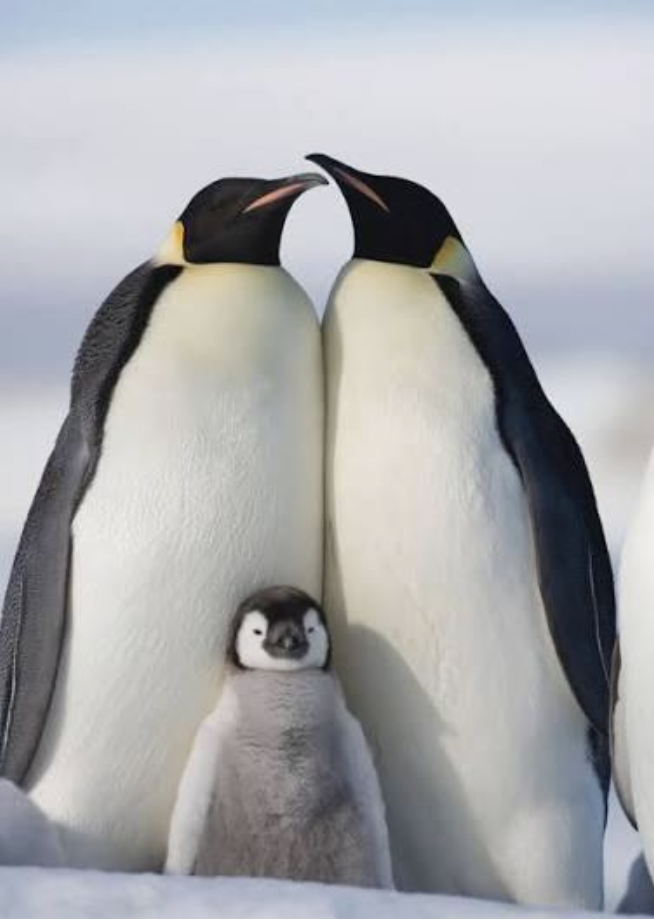
The penguin is heralded within the animal kingdom for its beauty, cuteness, and impressive agility. In candid film, penguins can be found waddling about with their arms behind them, sliding on their bellies, and even engaging in petty theft (1:28). In this way, they have slid and waddled their way into, and even stolen, our hearts. However, perhaps as a result of their preciousness, which has been exploited in major media productions such as Happy Feet and Surf’s Up, penguins remain underestimated. Looking beyond their physical merits, one may find that there are more to these aquatic fluffballs than meets the eye.
 https://www.vox.com/2015/1/20/7861749/penguins-explained
At first, the scientific literature on penguins distills unsurprising results. Antarctic penguins play an essential role within their foodwebs, consuming fish, squid, and krill while falling prey to leopard seals, orcas, and seabirds. Penguins function as a keystone species within their ecosystems, serving as repositories of energy that provide the link between bottom feeders and apex predators. Tragically (yet unsurprisingly), climate change poses a major threat to these tuxedo-pelted flappers, limiting the availability of sea ice for nesting while reducing their food supply due to losses in algae (which grows under sea ice) available to krill. Of the 18 species, four are listed as endangered, five as vulnerable, and five as near threatened.
 https://www.abc.net.au/news/2023-08-25/antarctica-sea-ice-loss-affects-emperor-penguin-breeding/102765634
*** PENGUIN JOKE #1: Why did the penguin cross the Lemaire Channel?
… to get to Petermann Island ***
However, few may be aware of these flesh-filled oreos’ incidental role in mitigating climate change. Penguin droppings are rich with urea, a precursor for ammonia (NH3). On the basis of the production NH3 from urea:
CO(NH2)2 + H2O→ CO2 + 2NH3
facilitated by the microorganism-produced urease enzyme, penguin excrement was found by one model to contribute 49 Gigagrams (4.9 x 10¹⁰ grams) of NH3 to the atmosphere in November of 2024 alone.
At this point, you’re likely thinking, “man, these penguins sure are cute and all, but what’s the big whoop about all that NH3 which comes from their excrement?” Well buckle-up, because we’re about to delve into some penguin-motivated atmospheric chemistry.
 https://www.cu.edu/penguins
Clouds are suspended bodies of liquid droplets or ice crystals. They form when water vapor cools, condensing onto suspended atmospheric particles called aerosols. Critically, clouds cannot form without this “heterogenous nucleation”: the aerosols facilitate water’s phase change from vapor to liquid (or ice) and thus the suspension and conglomeration of clouds. These aerosol particles are called cloud condensation nuclei.
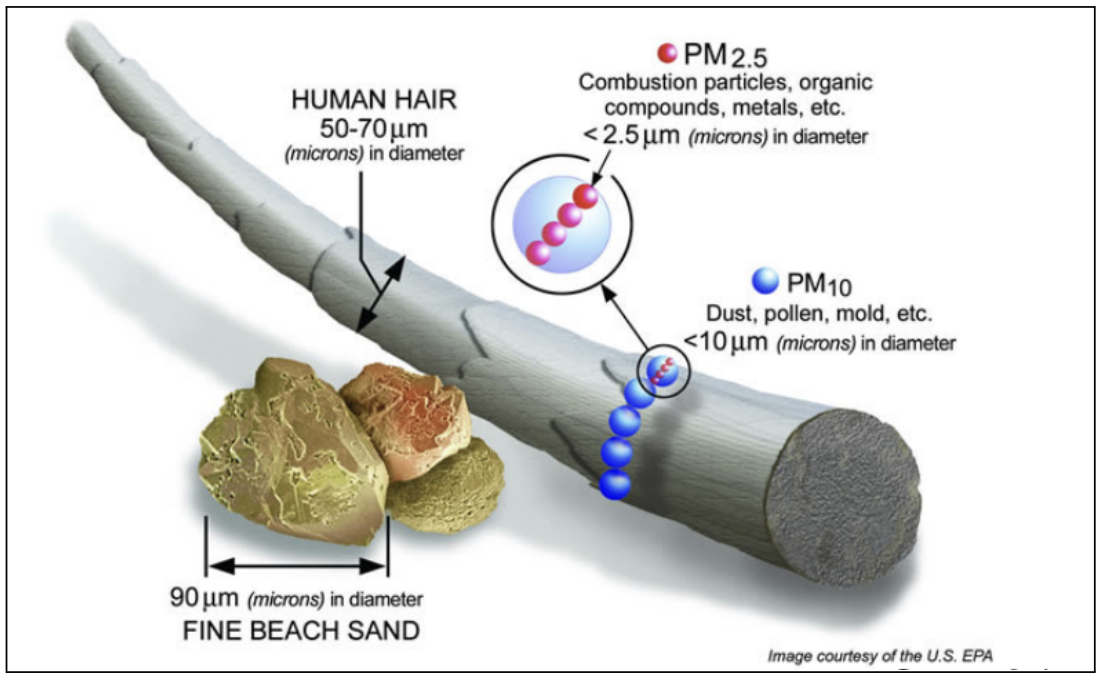
There are many different aerosol types, whose size and color greatly impact the properties of the clouds which form from them. The most common aerosol types include soil and mineral dust, sea-salt, and organically-derived aerosols. Large particles fall between the range of 0.1 to 1.0 microns (1 x 10⁻⁶ meters) in diameter, while aitken aerosols, the suitable size cloudcondensation nuclei, are under 0.1 microns (equivalent to 100 nanometers; for reference, a typical human hair has a diameter between 50 to 70 microns, or 50,000 to 70,000 nanometers).
 https://drive.google.com/file/d/1jdlSJ-4AMXluX9Kx5XCvXGh_U5uv8ujN/view usp=sharing
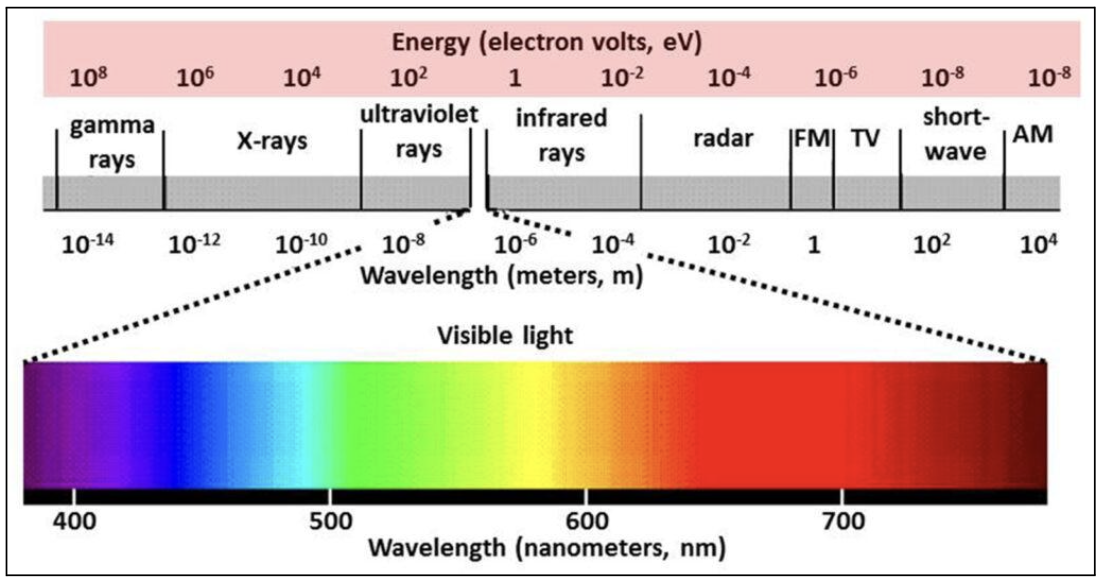
Aerosol coloration matters because objects of different colors absorb and reflect different wavelengths of the visible light emitted from the sun (which ranges between 380 and 750 nanometers). The color objects appear with is a composition of the wavelength ranges they reflect. Per blackbody theory, since incident solar radiation is primarily composed of visible light and heat, lighter objects reflect more light than darker ones. Consequently, lighter clouds are more reflective of incident light than darker clouds. Furthermore, a cloud with smaller particles appears lighter, because each cloud particle scatters light, and thus a larger number of particles per cloud results in a higher percentage of light being scattered away from the cloud rather than being absorbed.
 https://ozonedepletiontheory.info/what-is-radiation/
*** PENGUIN JOKE #2: What’s black and white and red all over?
… A sunburnt penguin ***
Scientists are concerned with Earth’s albedo, a parameter which measures the amount of incident sunlight reflected by Earth rather than absorbed. An increase in planetary albedo results in lower electromagnetic radiation absorption, resulting in a decrease in the planet's temperature. Given that the greenhouse effect results from the earth’s outgoing radiation being trapped in the atmosphere by greenhouse gases, causing Earth to absorb more energy than it receives, some scientists have explored strategies to artificially alter the planetary albedo, increasing the amount of sunlight reflected by the Earth and thereby cooling the planet. Primary strategies of interest include stratospheric aerosol injection, which would result in a global increase of light-scattering aerosols and high-particle cloud formation, and marine cloud brightening, which aims to increase the number of cloud condensation nuclei, and thus the reflectivity, of low-lying marine clouds by injecting sea-salt particles from the ocean into the air.
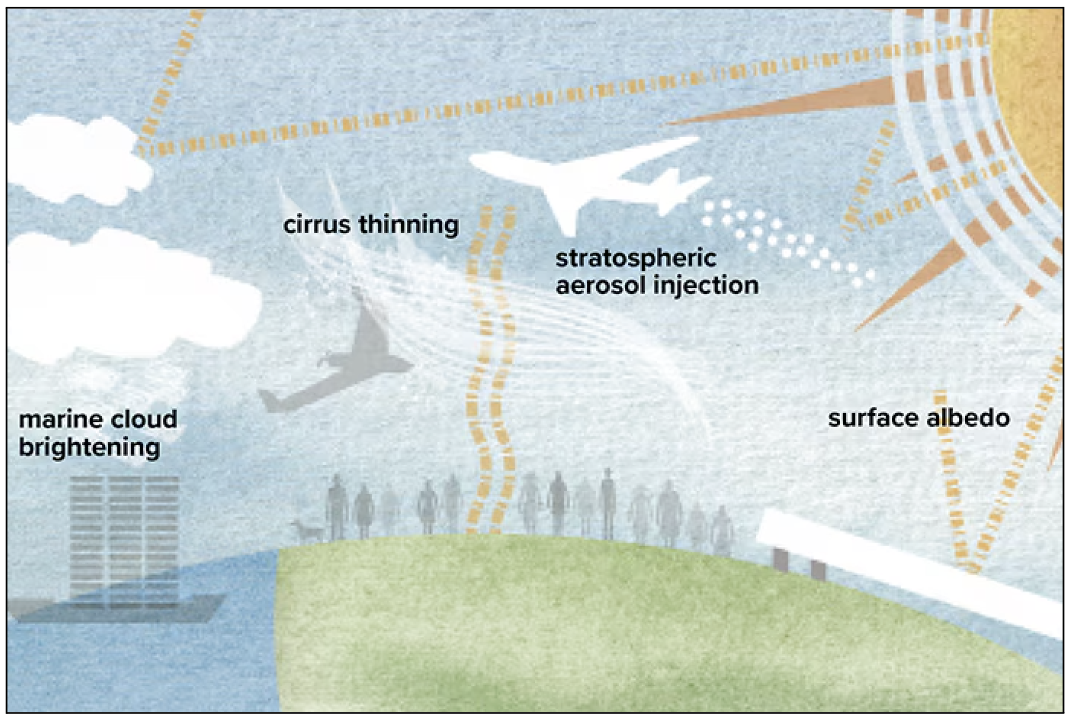
These so-called “solar radiation management” (SRM) techniques have been met with controversy amongst the scientific community. Those opposed argue that while these techniques seem plausible on paper, the potential climate feedbacks and other, unanticipated phenomena that they may threaten the climate system with ultimately outweigh their merits. For instance, a misguided stratospheric aerosol SRM approach could overcool the earth, or may lead to massive rebound warming if injections were halted. Despite how far the scientific community has come, they still do not have all the answers, including a fool-proof means of cheating climate change. If only there were a safer, nature-based, (perhaps more feathery) alternative…
That’s precisely where penguin excrement-derived NH3 comes in.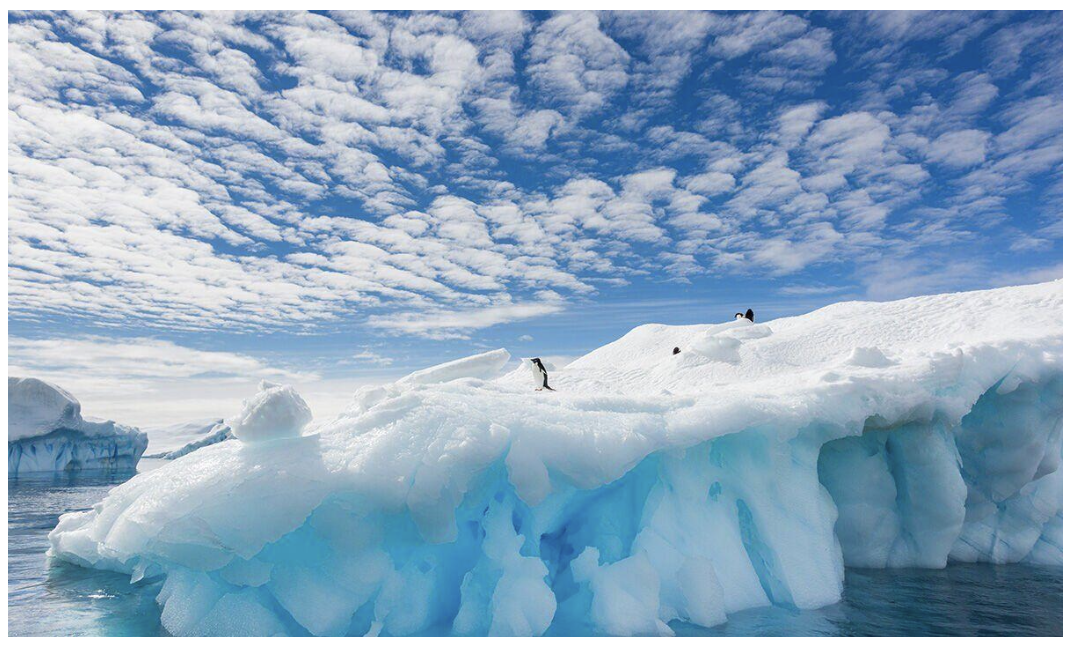 https://www.express.co.uk/news/science/1598452/antarctica-breakhrough-nasa-discovery-clouds-above-southern-ocean
*** PENGUIN JOKE #3: What did the penguin lawyer say to the judge at the landmark criminal trial The Penguin Republic of Weddell v. Mr. Fluffers?
... “Your honor, my client is fin-nocent” ***
Expedited by thawing periods–frequently occurring during the Antarctic summer and a 60 times multiplier of NH3 emissions–once in the atmosphere, NH3 readily reacts with microbiogenic sulfur compounds, forming solid ammonium salt aerosols. The primary sulfur species in these reactions is sulfuric acid (H2SO4), which is produced following the hydroxyl radical-induced (oOH) oxidation of dimethyl sulfide, a compound emitted from oceanic phytoplankton activity. The formation of ammonium salt aerosols greatly expedites new particle formation, providing a lucrative source of cloud condensation nuclei. Penguin excrement thus increases the reflectivity (the albedo radiative effect) of Antarctic clouds by increasing their particle counts.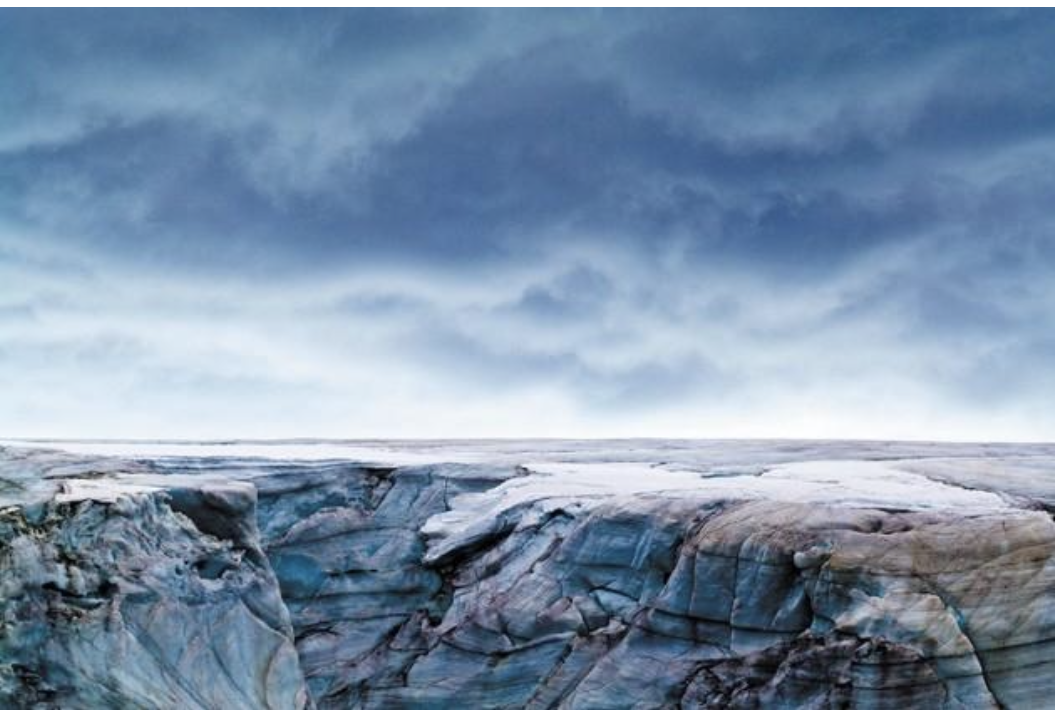 https://www.nature.com/articles/529012a
A key metric for quantifying the impact of a given parameter on the climate system’s energy budget is radiative forcing, which measures the imbalance between the atmosphere’s incoming and outgoing energy in watts per meters squared (W/m2). According to the Sixth Assessment Report of the Intergovernmental Panel on Climate Change (IPCC), between 1750 and 2019 the radiative forcing due to increases in the concentration of CO2 was between 1.92 and 2.40 W/m2.
Shockingly, there is currently no estimation of the radiative forcing derived from new particle formation from penguin NH3 emissions in Antarctic clouds in the scientific literature. Despite this setback, we can use the available data to estimate the present contribution of Antarctic penguins to the Earth’s radiative forcing budget, ultimately calculating exactly how many of these little warriors it would take to end climate change.
 https://www.pinterest.com/pin/495677502714321269/
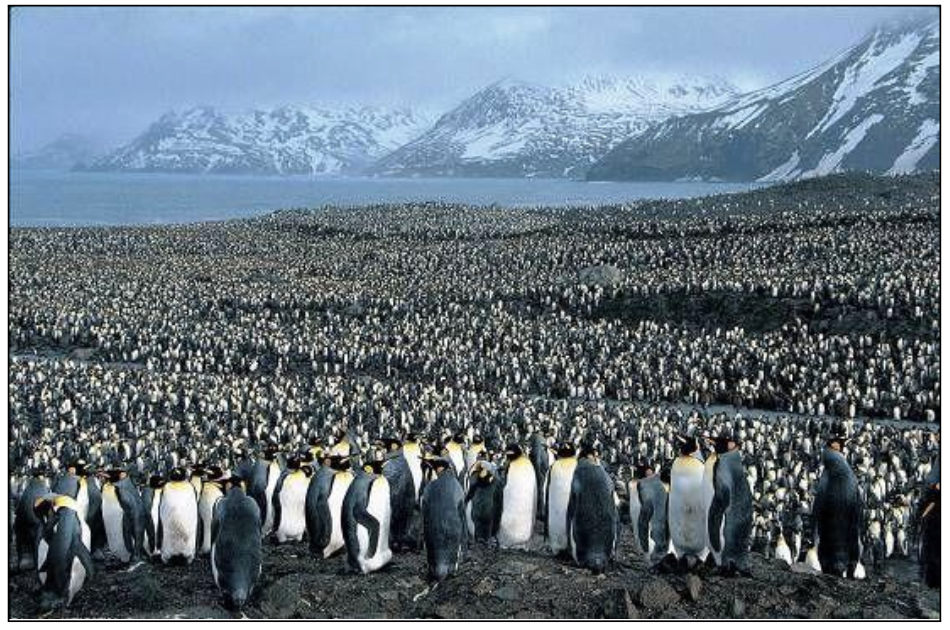
A 2016 paper found that Arctic seabirds contribute about 0.5 W/m2 of cooling (i.e. -0.5 W/m2 to the pan-Arctic energy budget), with 40 Gg of annual NH3 emissions. As discussed earlier, November 2024 saw 49 Gg of penguin-derived NH3 emissions, or 122.5% of the Arctic seabird excrement yield. Given that there are currently 20 million breeding pairs of penguins in Antarctica, assuming that Antarctic NH3 contributes the same amount as Arctic NH3 to the Antarctic radiative forcing budget (a rather bold assumption), and counterbalancing this assumption by only considering Novemberly penguin NH3, the numbers indicate that, taking the upper bound of CO2-induced radiative forcing, if there we just 117,600,000 more penguin breeding pairs in Antarctica, their excrement would produce enough NH3 to increase the total albedo of Antarctic clouds to levels which would offset global anthropogenic CO2 emissions. https://www.youtube.com/watch?v=HJ8qGOe2K0o
Humanity faces a moral emergency. A matter of existential, biblical, adorable concern. Who are we to allow climate change to continue, when we hold the power to simultaneously save the planet and make it over one hundred million times cuter? Despite the possible ethical risks of mass penguin breeding, we must consider the facts of the matter, and move forward with the interest of the greater good at heart. If we go through with this–which at this point, seems like our only option–the majestic penguin will no longer be written off as just a fluffy face. Penguins everywhere will be heralded as they should be: as heroes.
*** PENGUIN JOKE #4: Why did the penguin save the world?
… Because it was the only one that really gave a shit ***
 https://tenor.com/search/penguin-army-gifs