
Emma Lazarus’s 1883 sonnet, "The New Colossus," which was later affixed to the Statue of Liberty’s pedestal in 1903, enshrined a moral promise: that the United States would hold its "lamp beside the golden door" for the world’s "tired," "poor," and "huddled masses yearning to breathe free"(National Park Service, 2016). This hopeful invitation stands in stark contrast to the cold environment of the hieleras at our southern border.
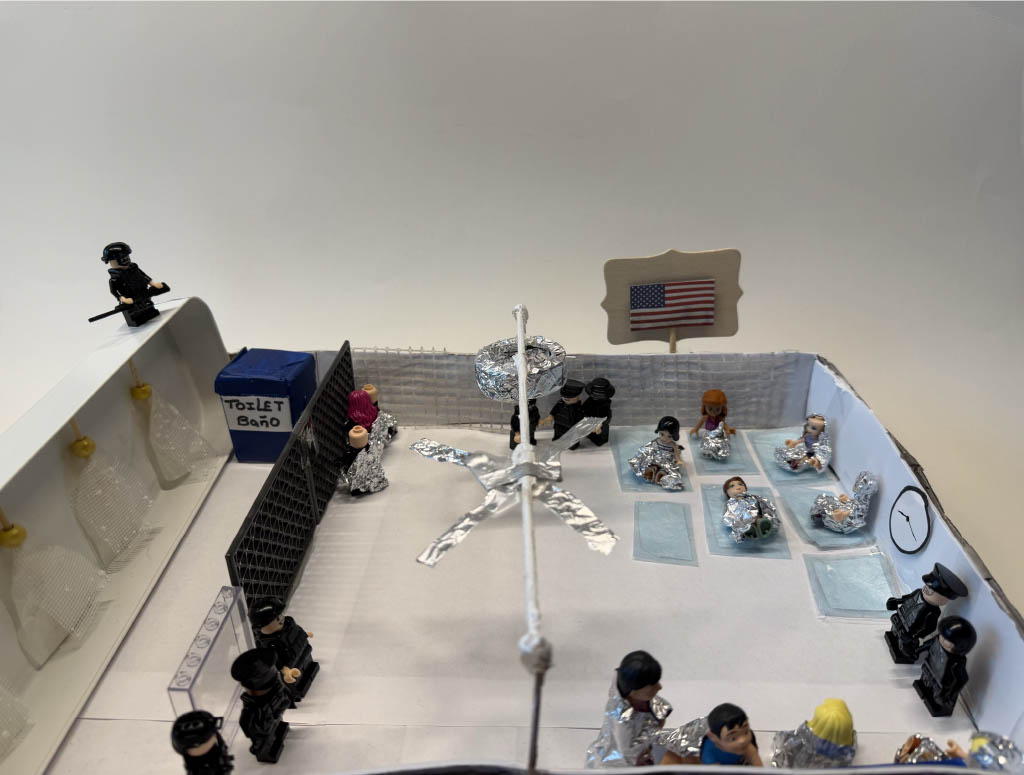
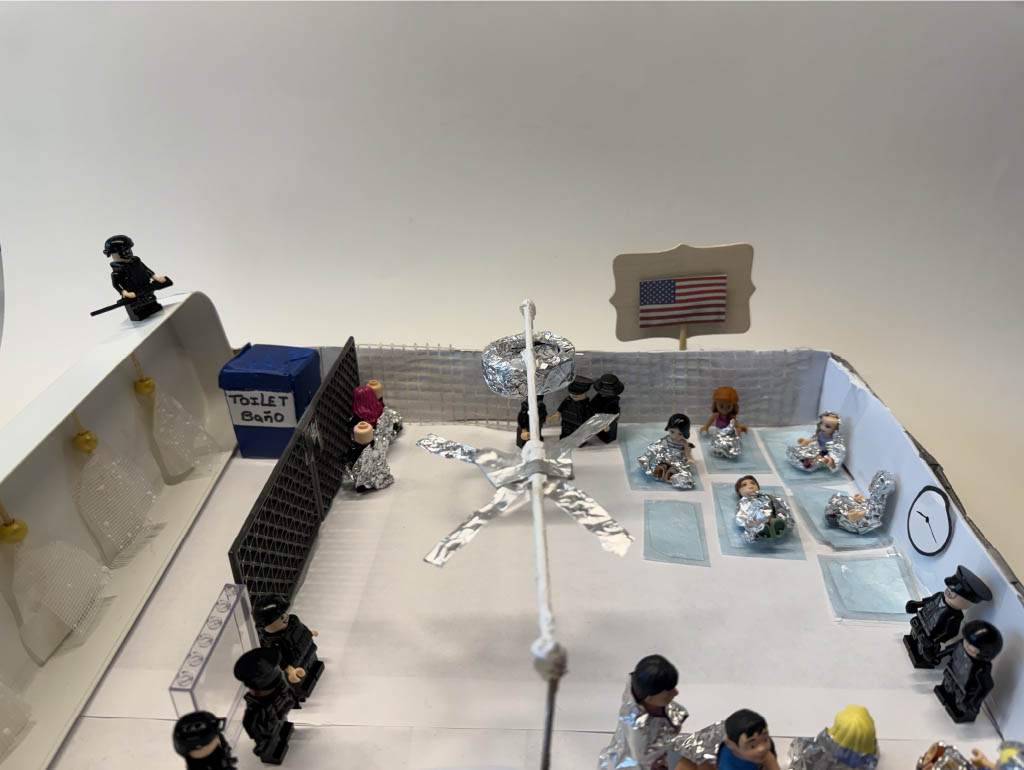
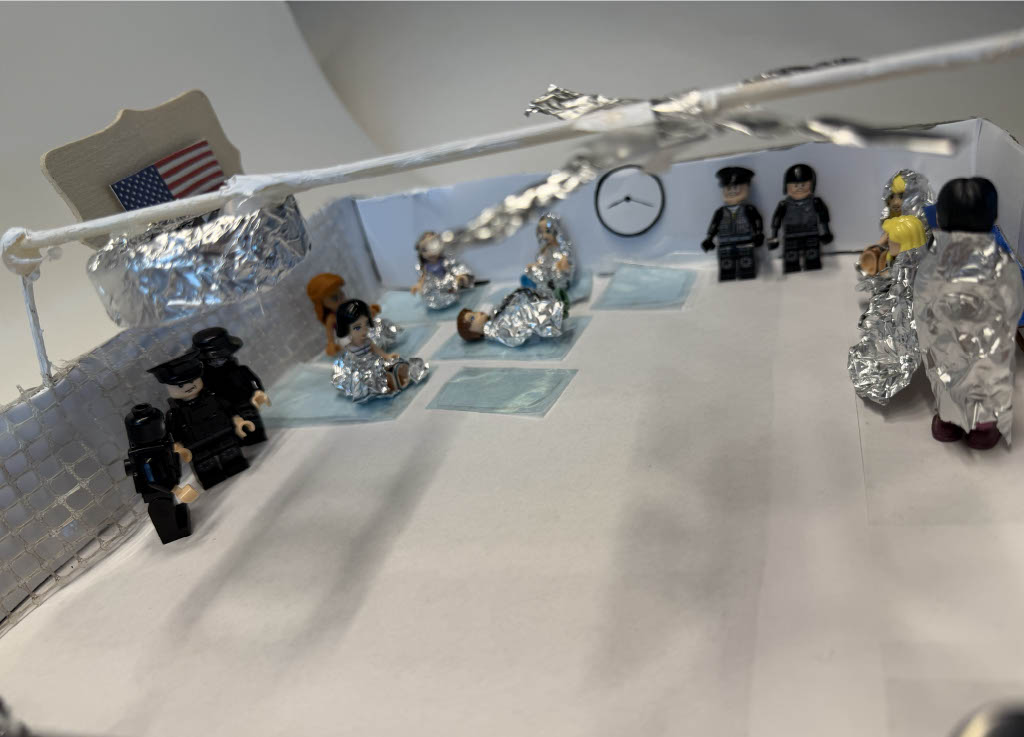
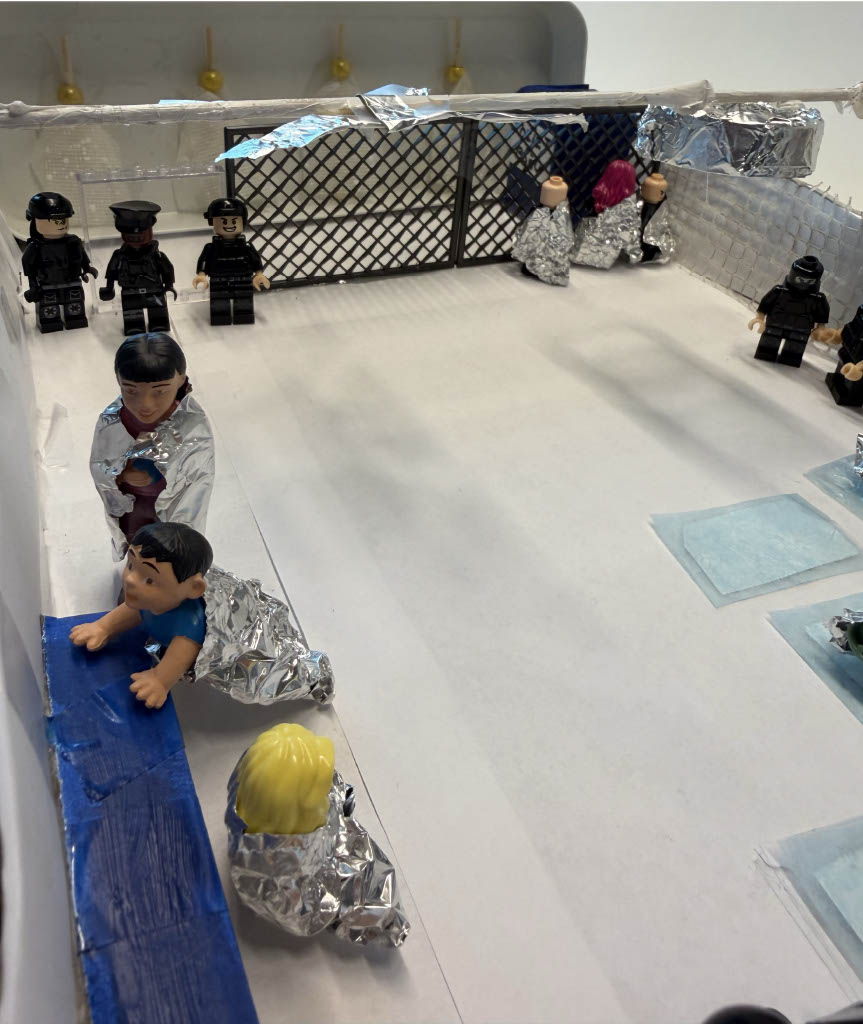
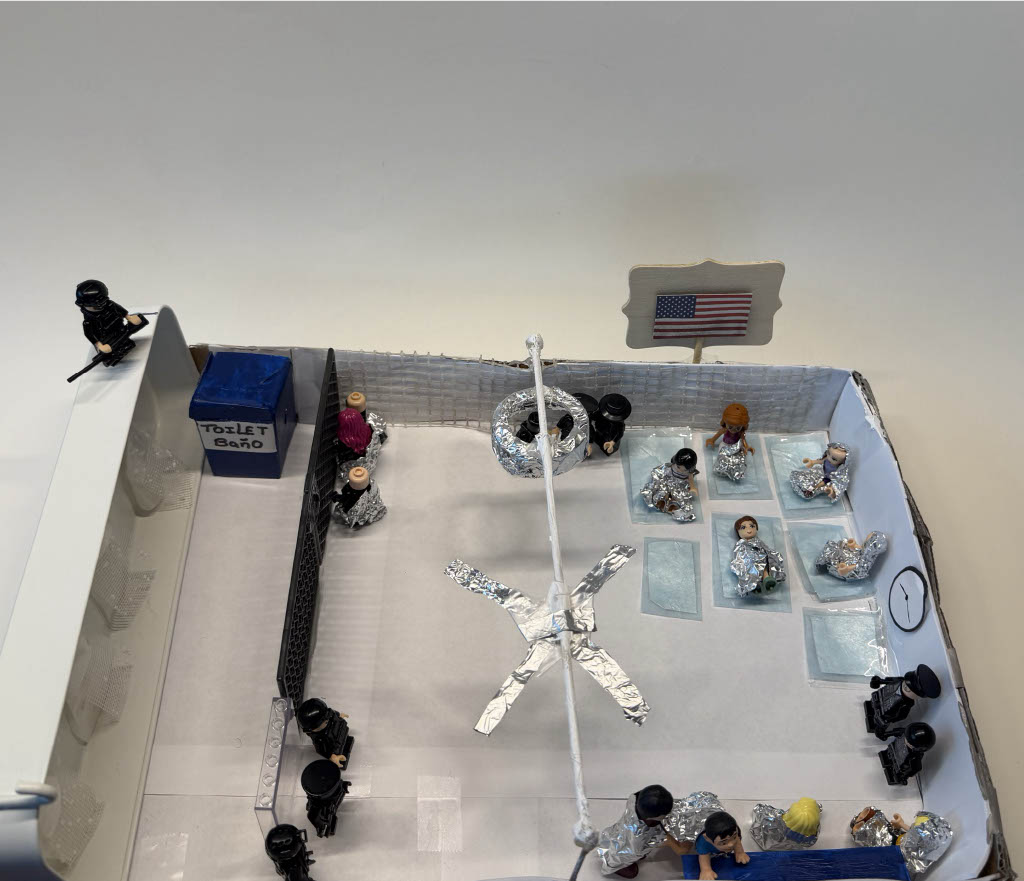
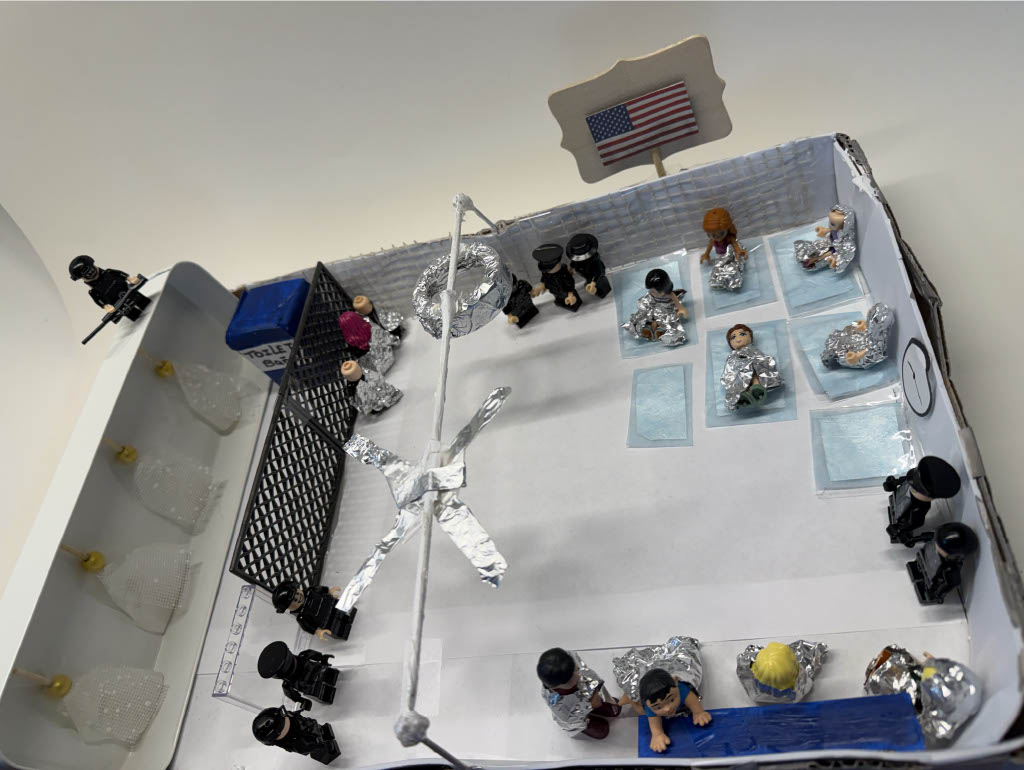
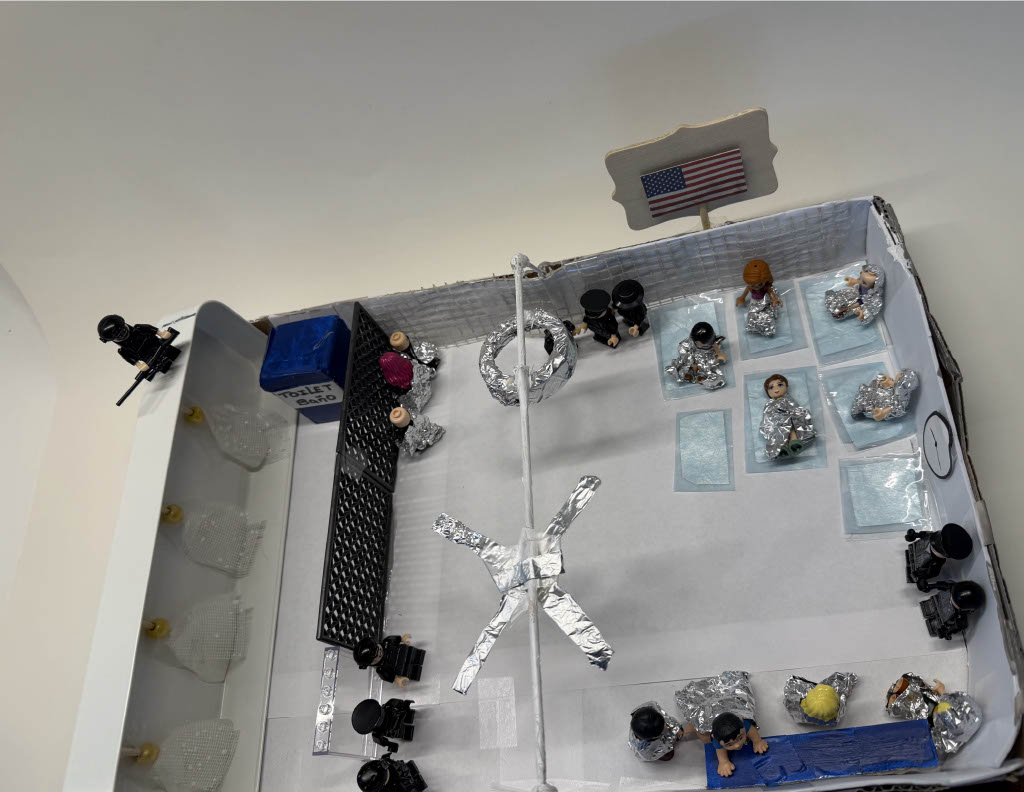
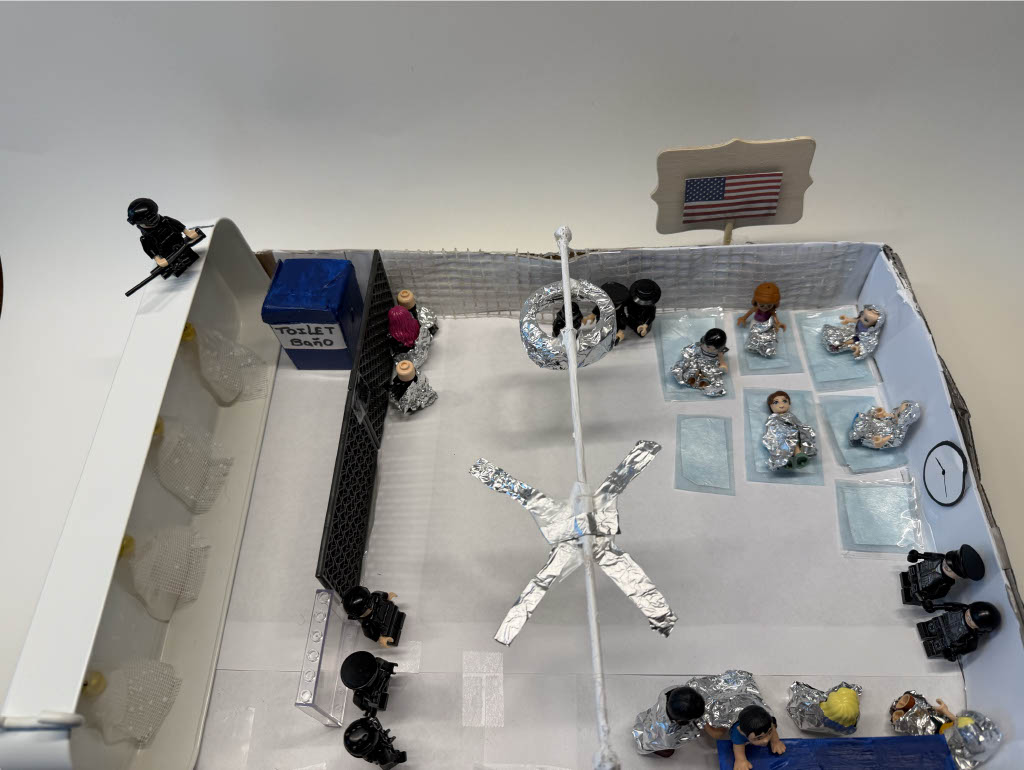
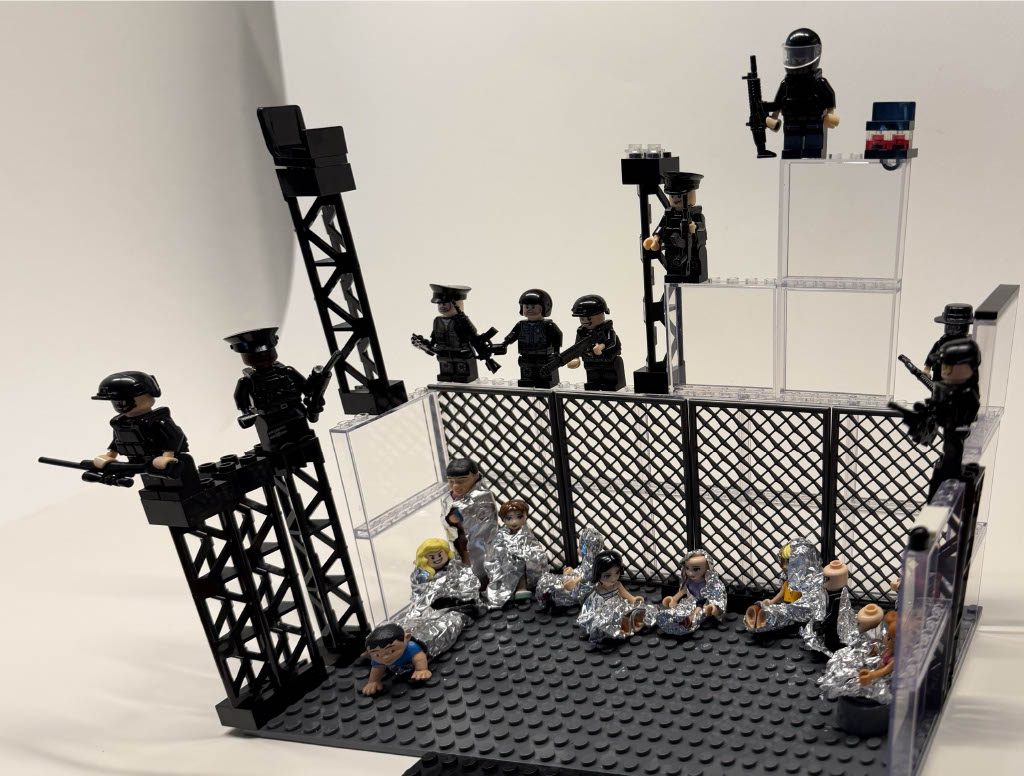
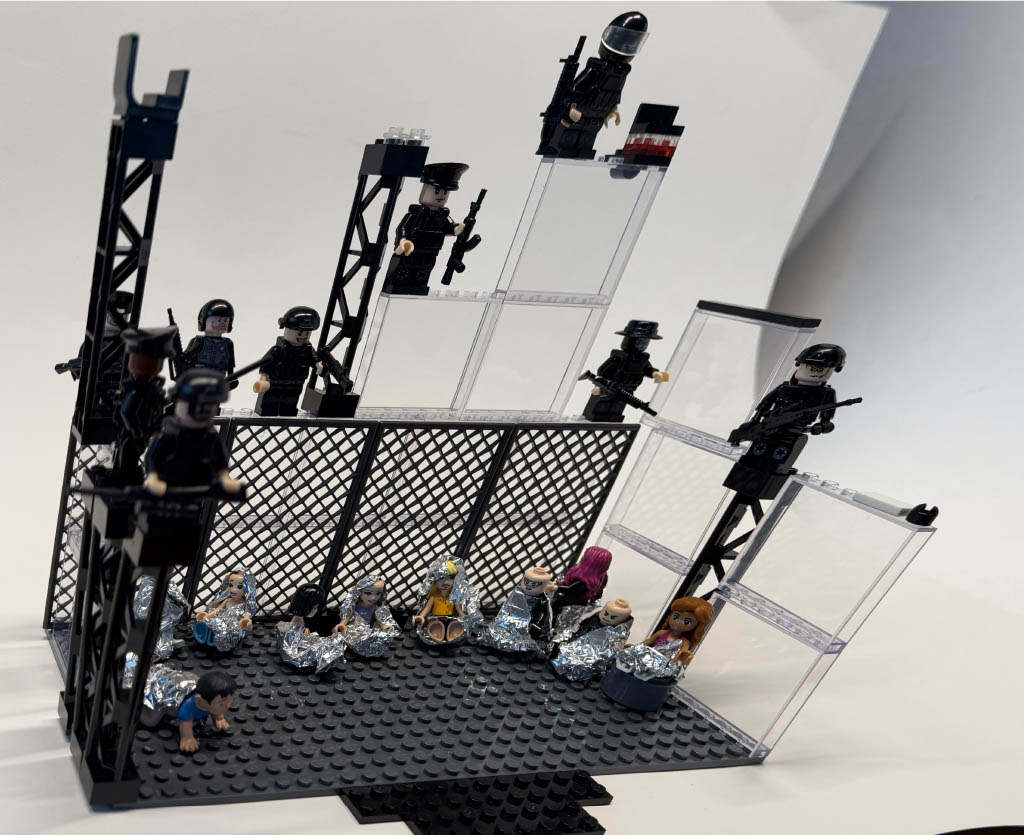
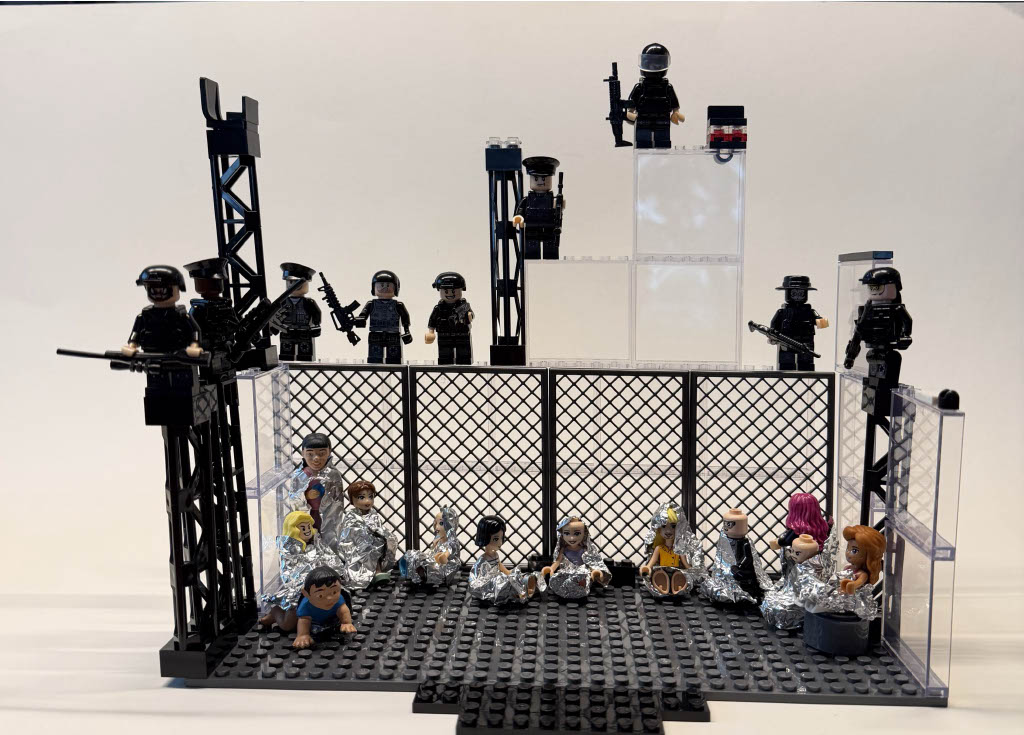
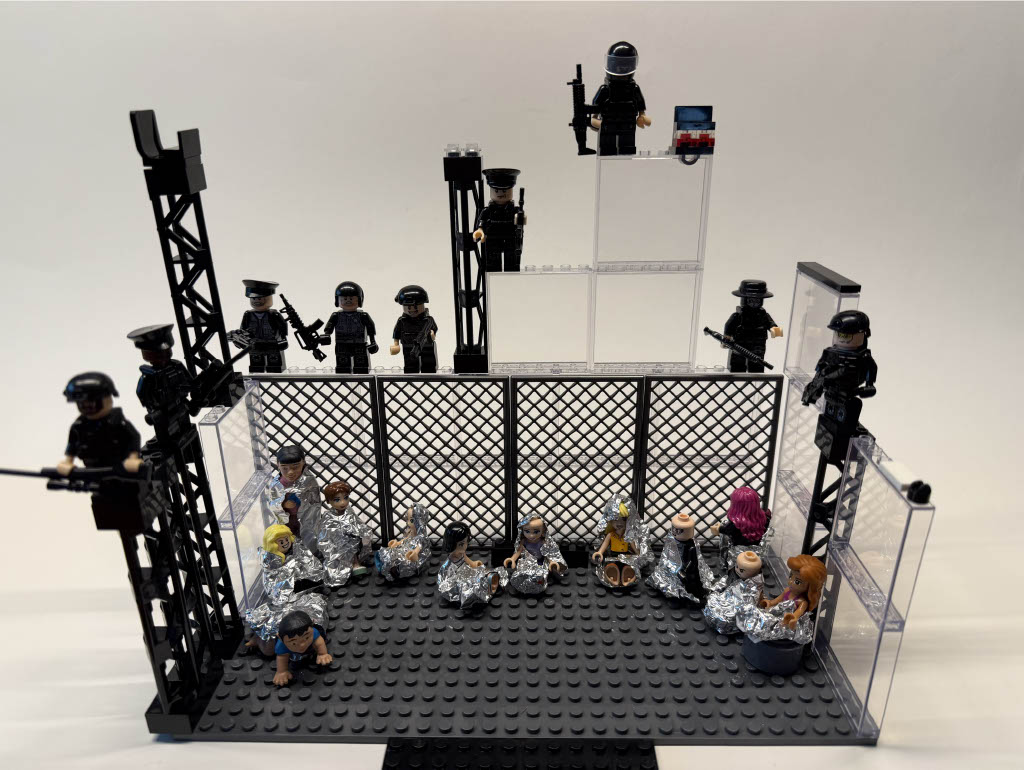
Unaccompanied minors seeking asylum face a troubling convergence of trauma, structural exclusion, and a juvenile and immigration court system that often overlooks the complexities of child development, culture, and migration trauma. The conditions in detention facilities, often referred to as the "IceBox"—short-term Customs and Border Protection holding centers known as hieleras for their frigid temperatures and stark, austere environments—highlight the stark contrast between the United States’ aspirational immigrant ethos (“Give me your tired, your poor…”) and the harsh realities of contemporary practices. These processing sites, intended for rapid security intake rather than child welfare, have become emblematic of a broader systemic gap.
Although U.S. law recognizes the right to seek asylum, the pathways available for children often expose them to renewed trauma, prolonged uncertainty, and racialized exclusion. The Universal Declaration of Human Rights (UDHR, 1948) reinforces this issue by affirming, in Article 14, the right to seek and enjoy asylum from persecution. Additionally, Articles 25 (adequate health) and 26 (education) advocate for children’s rights to essential services. The gap between the welcome promised at Liberty Island and the chill of the IceBox is not only a matter of distance but also reflects critical policy choices. When children arrive alone—frightened, traumatized, and hopeful—the question that confronts the United States and the field of social work is whether we will merely process them or truly receive them. Social workers are uniquely positioned to disrupt the racialized stratification reproduced by juvenile-immigration interface systems, which, as informed by Critical Race Theory (CRT) and the Theory of Racialized Organizations (TRO), normalize constrained care, procedural opacity, and due-process inequities that disproportionately burden children of color from the Global South. Through trauma-informed, rights-centered, and developmentally attuned interventions at the micro (clinical/assessment), mezzo (programmatic/agency), and macro (policy/advocacy) levels, social workers can challenge and transform these inequitable dynamics.
References
United Nations. (1948). Universal Declaration of Human Rights. https://www.un.org/en/about-us/universal-declaration-of-human-rights
National Park Service. (2016). The New Colossus - Statue of Liberty National Monument (U.S. National Park Service). Nps.gov. https://www.nps.gov/stli/learn/historyculture/colossus.htm